20g
Example protein amount*
0g
Added sugar positioning*
3
Core bar families
Many
Flavor choices
*The 20g example refers to the U.S. Peanut Butter Jelly product page. Nutrition varies by flavor and market; check the current wrapper and nutrition panel before purchase.
What Is a Barbells Protein Bar?
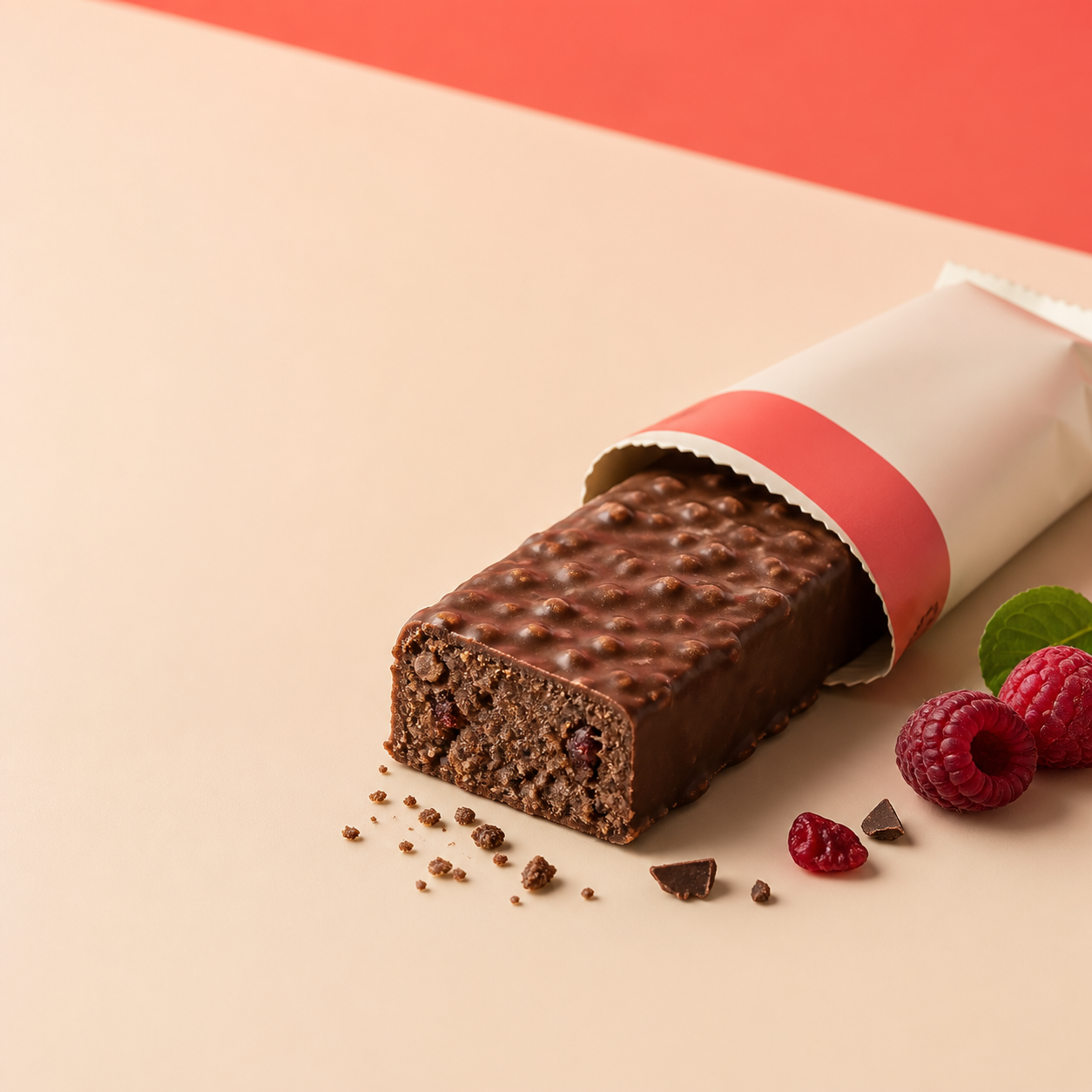
“Barbells protein bar” is the phrase many shoppers type when they are looking for Barebells Protein Bars. The brand name is spelled Barebells, but both phrases point to the same search intent: a convenient protein snack with a candy-bar style eating experience.
Barebells presents a broad range of protein snacks rather than a single formula. The official product range includes Original Bars, Chewy Soft Bars, and Vegan Bars, with flavors and availability changing by country. That distinction matters because protein, calories, allergens, and sweetener systems can change from one wrapper to the next.
The quick answer
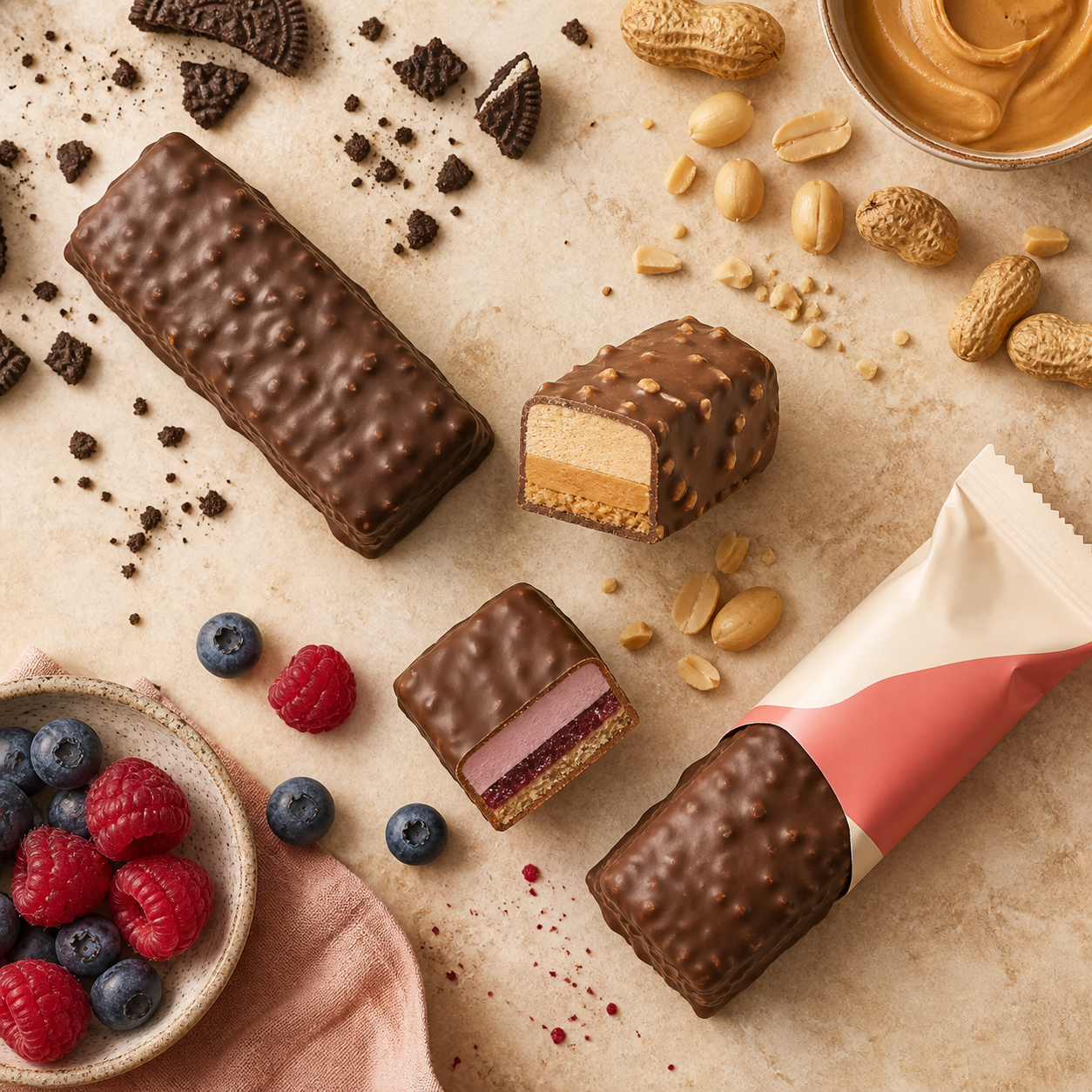
For shoppers who prioritize flavor and texture as much as macros, Barebells is a strong protein bar brand to consider. Its product positioning emphasizes high protein and no added sugar, while the range leans into flavors such as Peanut Butter Jelly, Coco Caramel Almond, Salty Caramel Crunch, and Cookies & Cream.
For the clearest example, the current U.S. Peanut Butter Jelly product page describes a bar with 20 grams of protein. Use the official product page and the package label as the final reference for the flavor you choose.
See Barebells Protein Bars on AmazonWhy Barebells Protein Bars Get Attention
The appeal is simple: a familiar treat profile, a meaningful protein contribution, and a range that gives shoppers more than one way to build a snack routine.
Taste-first positioning
Barebells builds its identity around dessert-inspired flavors and a soft, indulgent bite, making it attractive to people who do not want a dry or chalky protein bar.
Protein for the in-between moments
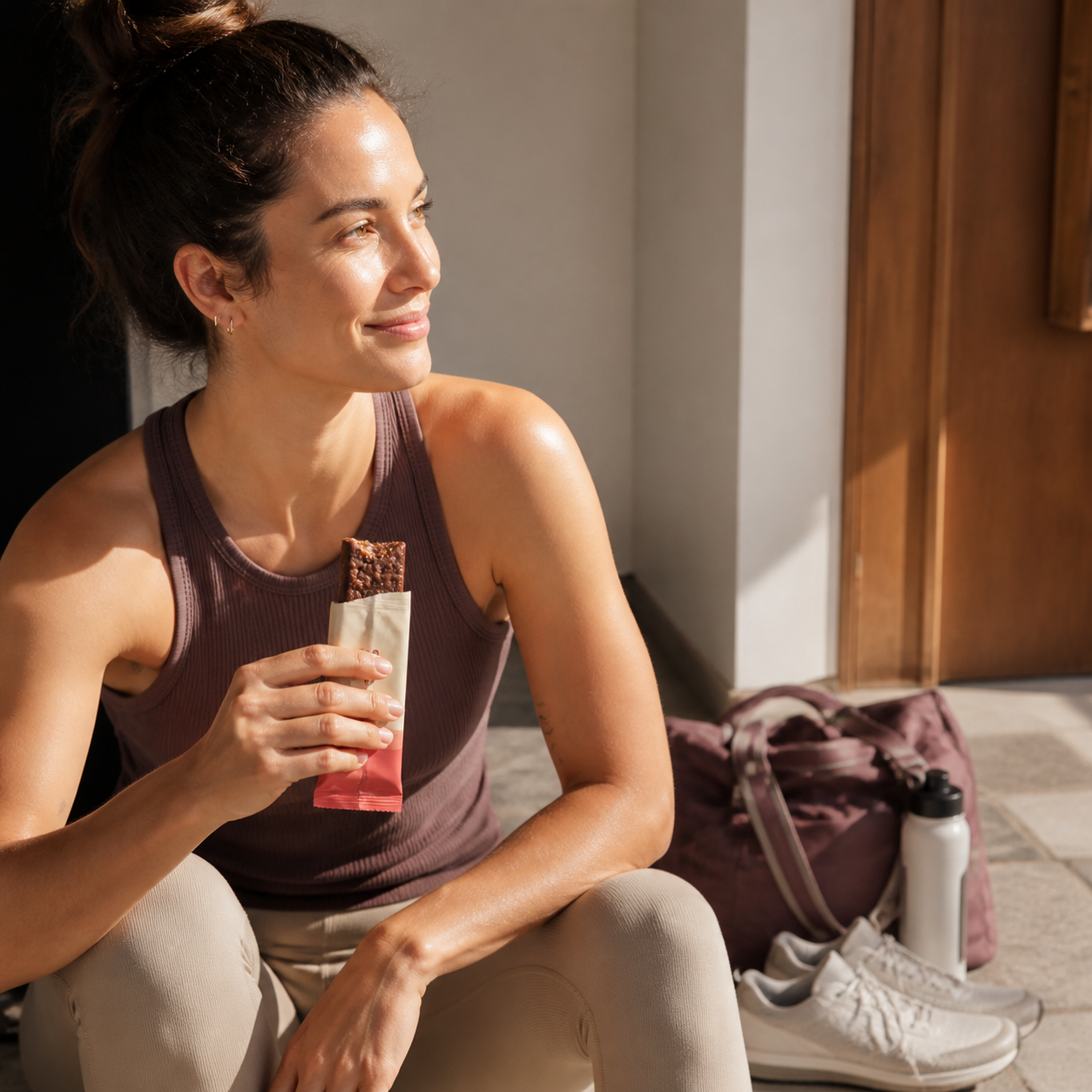
A Barebells Protein Bar fits naturally after training, between meetings, in a travel bag, or whenever a full meal is not convenient.
A broad range
Original, Chewy Soft, and Vegan options give the brand more range than a single one-flavor protein snack. Availability depends on market and retailer.
How the Barebells Protein Bar Performs as a Snack
The best bar is not just the one with a good nutrition panel. It is the one you will actually enjoy enough to keep in the cupboard.
What works
- Texture: The brand is known for a softer, confectionery-style bite instead of the dry texture associated with some high-protein bars.
- Flavor variety: Chocolate, caramel, peanut, berry, cookie, and seasonal profiles make it easier to find a personal favorite.
- Clear product families: Original, Chewy Soft, and Vegan labels help shoppers understand the range before they buy.
- Convenience: A wrapped, portable format works well for work bags, gym bags, road trips, and desk drawers.
Worth considering
- Nutrition varies: Do not assume every flavor has the same protein, calorie, or carbohydrate profile.
- Allergens matter: Dairy, nuts, soy, wheat, and other ingredients can vary. Read the current allergen statement for the exact bar.
- Vegan does not mean gluten-free: Some vegan products may use wheat protein, so dietary labels should be checked independently.
- Sweetener tolerance: Sugar alcohols and alternative sweeteners can affect people differently; start with the label, not the marketing claim.
Barbells Protein Bar Nutrition: What to Check
A useful review should separate brand-level positioning from the nutrition facts of a particular flavor.
| Label detail | Why it matters |
|---|---|
| Protein per bar | Compare the exact flavor, not only the brand name. |
| Calories and serving size | A full bar may be one serving, but confirm the wrapper. |
| Added sugar | Brand messaging emphasizes no added sugar; verify the current panel. |
| Allergens and diet labels | Vegan, dairy, nut, soy, and gluten details are not interchangeable. |
Product formulations, flavor availability, and package information can change. Always use the current wrapper and official product listing as the final source.
Barebells Protein Bar Flavors Worth Knowing
Flavor is a major part of the Barebells experience. These examples show the range of taste profiles shoppers may encounter; availability varies by country and retailer.
Peanut Butter Jelly
A nostalgic combination of creamy peanut butter and bright berry filling. The current U.S. product page describes 20g of protein for this flavor.
Coco Caramel Almond
A chocolate-forward profile with caramel sweetness and a nutty almond finish for people who want a richer dessert-style bar.
Salty Caramel Crunch
Built around the familiar salted-caramel combination, with a contrast between sweet coating and a more textured bite.
Cookies & Cream
A classic cookie profile for shoppers who prefer a familiar, bakery-style flavor in a portable protein snack.
The Barebells Label Deserves a Close Look
A product-led review should not treat every protein bar as identical. The ingredient list, allergen statement, and nutrition panel are the details that determine whether a particular Barebells bar suits your routine.
High protein is the headline, not the
whole story.
The U.S. Peanut Butter Jelly listing is one current example
with 20 grams of protein, but formulas differ by flavor and country. Compare protein per
bar, serving size, calories, fiber, and carbohydrate details on the exact product.
Diet labels need their own check.
Barebells offers a vegan bar range, but not every Barebells Protein Bar is vegan. Vegan and
gluten-free are also different claims; the official product information notes that some vegan
bars can contain wheat protein. Anyone with an allergy or intolerance should rely on the
current package statement.
Brand claims can change by market.
The brand emphasizes high protein and no added sugar, while local formulas and availability
can change. Read the label you will actually eat.
Frequently Asked Questions About Barbells Protein Bars
Clear answers for shoppers comparing Barebells with other protein bar options.
Is a barbells protein bar the same as a Barebells Protein Bar?
How much protein is in a Barebells Protein Bar?
Do Barebells Protein Bars contain added sugar?
Are all Barebells Protein Bars vegan or gluten-free?
Ready to Try a Barbells Protein Bar?
Search the Barebells range, compare flavors, and check the label for the exact nutrition and allergen details that fit your routine.
Shop Barebells Protein Bars